
Northeastern University’s World History PhD program was founded in 1994. World History, in general, is a growing field, with only a few doctoral programs around the country. What distinguishes world history? It is merely a concern with the whole world, […]

Can France Accept Islam?

France has the largest population of Muslims in the Western World, making up an estimated 7.5% of the population. The Muslim population has been steadily growing in France since the end of the Second World War, a trend further intensified […]
Text Mining Northeastern University’s World History Dissertations
As I was exposed to more world history in class this semester, I continued to return to the same question: what separates empire history from world history? Does the ability of empire to lend itself as a bridge to world […]
Visualizing Data

According to Theibault’s piece “Visualizations and Historical Arguments,” Edward Tufte’s Envisioning Information is an influential work in regards to data visualization, exploring how best to represent information. The book relies heavily on the examples of visualizations provided throughout, such as […]
Digital Maps
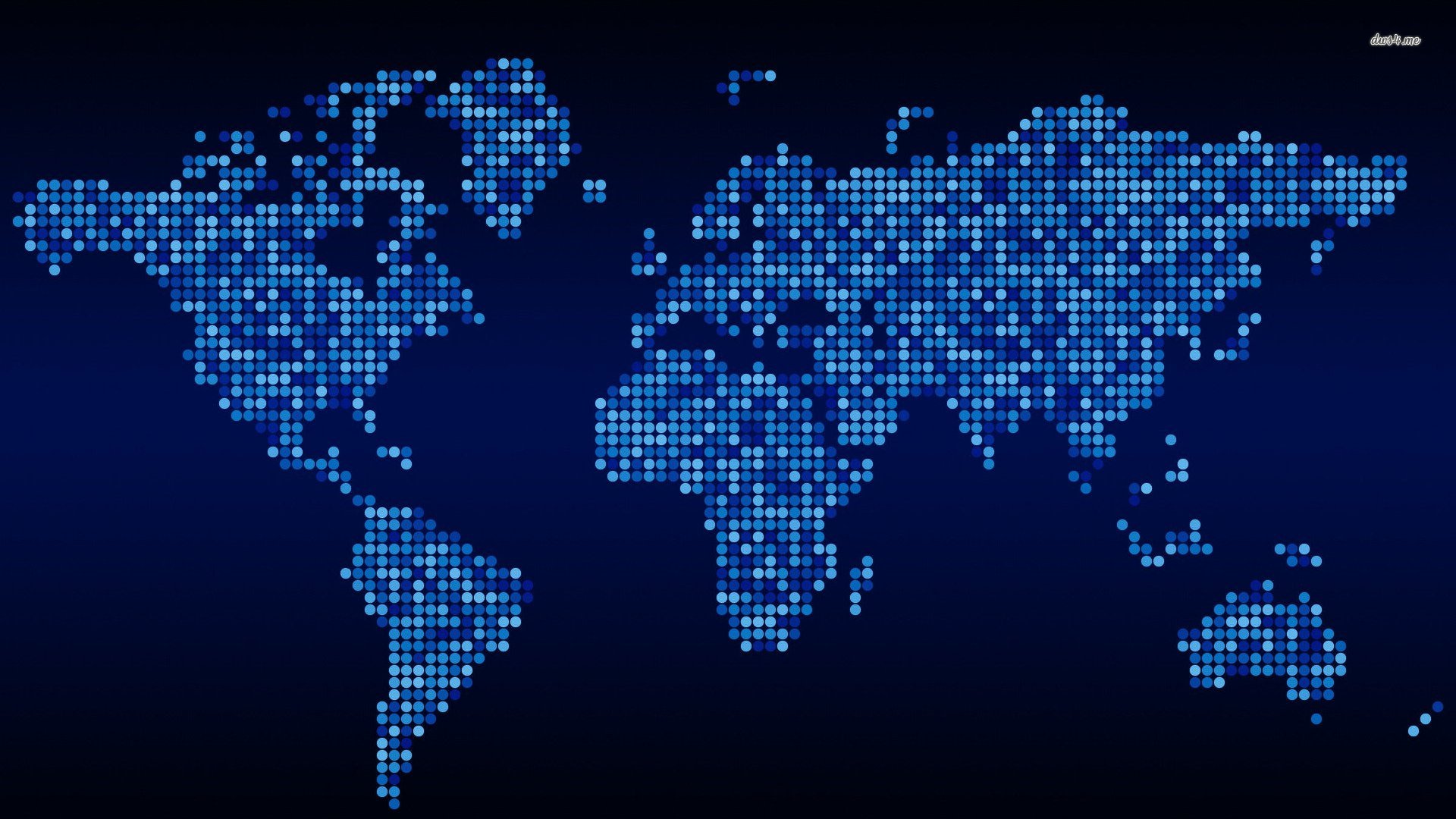
Richard White’s piece “What is Spatial History,” provided a comprehensive overview of the field of spatial history, and the different variations of the practice. I thought it was useful and interesting when he elaborated how spatial history differs from normal […]
Google Books and Transnational History

The Google books project was an ambitious idea, which began in 2002, with the original goal of creating an online card catalog of books. The goals of the project shifted throughout time, and became too ambitious and fell at the […]
